Rediscovering Yourself in Marriage: Finding Your Identity Again
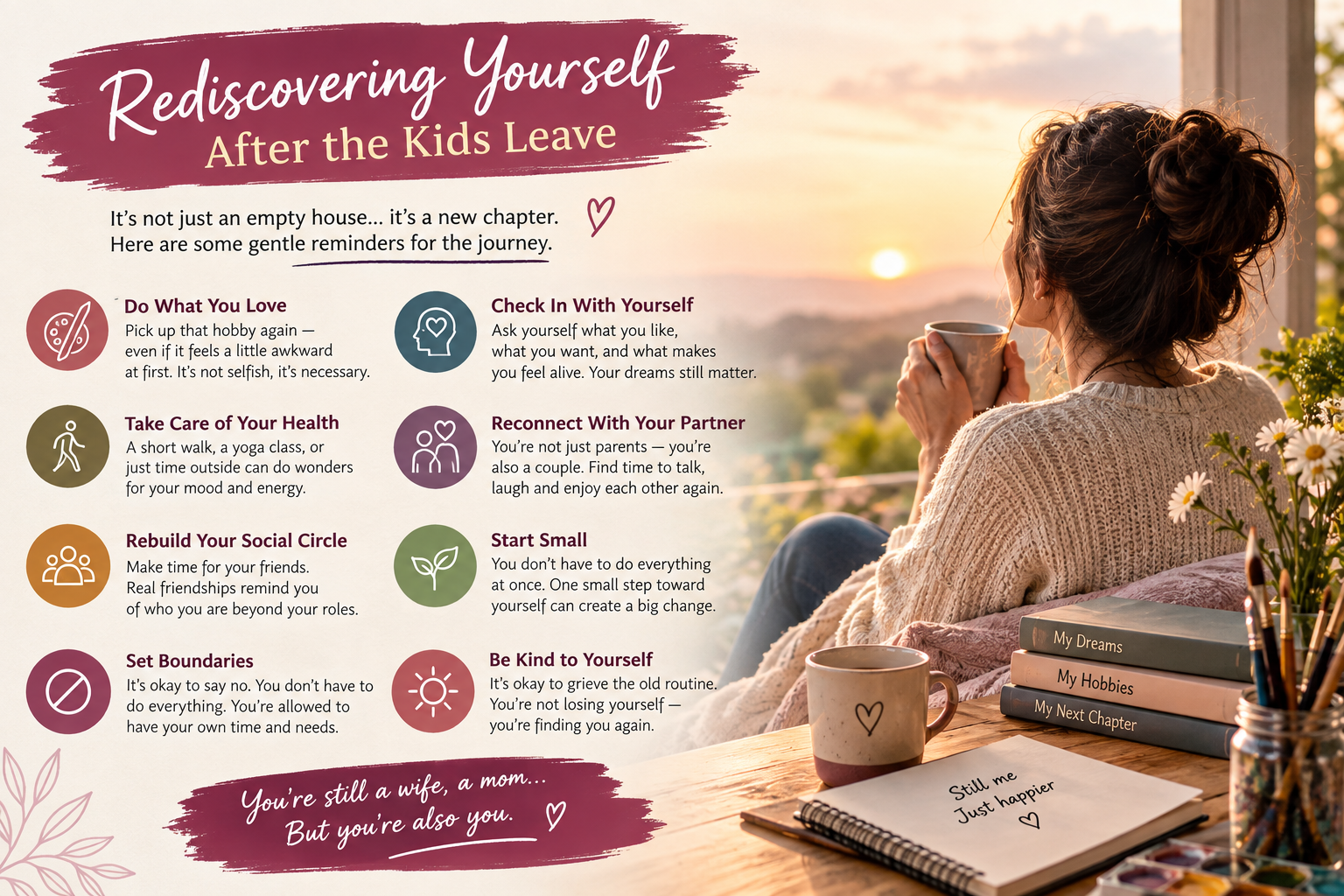
Marriage brings two people together, but it does not mean that their individual identities should disappear. A shared home, family responsibilities and long-term plans can create a meaningful life together. Yet, somewhere between daily routines and the needs of others, one or both partners may begin to feel disconnected from the person they used to be.
It can happen gradually. A hobby is put aside because the household is busy. Friendships receive less attention because family commitments take priority. Personal goals are postponed until a more convenient time. Eventually, someone may realise that most of their day revolves around being a spouse, parent or caregiver, with very little space left for their own interests.
This does not automatically mean that a marriage is unhappy or unhealthy. People naturally change as they move through different stages of life. However, when personal needs are consistently ignored, it can lead to frustration, emotional distance and a sense of losing one's identity.
Rediscovering yourself in marriage is not about choosing independence over commitment. It is about creating a relationship in which both people can grow as individuals while continuing to build a life together.
An important distinction: Being committed to your marriage does not require giving up your personality, friendships, interests or personal ambitions. A healthy partnership should make room for both people.
How Can Someone Lose Their Identity in Marriage?
There is rarely one single moment when a person feels they have lost themselves. More often, it is the result of repeated decisions that seem reasonable at the time. One partner may take on extra household responsibilities, postpone career plans or stop spending time on activities they once enjoyed.
In many families, responsibilities are shaped by work schedules, childcare, financial circumstances and cultural expectations. In Pakistani households, extended-family commitments and expectations around marriage can also influence how couples divide their time. These traditions and family connections can be valuable, but problems may arise when one person's preferences are always treated as less important.
For example, a person may stop meeting friends because family gatherings take up every weekend. Another may give up a professional goal because the couple has never discussed how to balance work and family life. Neither decision necessarily creates a problem on its own. The concern is what happens when personal choices are no longer freely discussed or fairly considered.
Common situations that can contribute to this feeling
- Putting personal interests aside: Hobbies, learning and creative activities gradually disappear from everyday life.
- Taking on too much responsibility: One partner becomes responsible for most household tasks, childcare or family arrangements.
- Reducing social connections: Friendships and relationships outside the marriage receive less attention.
- Ignoring personal ambitions: Education, career plans or individual goals are repeatedly delayed.
- Avoiding honest conversations: Someone stays quiet about their needs to prevent disagreement or disappointment.
Recognising these patterns is not about blaming one spouse. It is an opportunity to understand how everyday habits have developed and whether they still work for both people.
Signs You May Be Losing Touch With Yourself
People experience this feeling differently. Some notice it through frustration, while others simply feel that their days have become repetitive. You may not immediately connect these feelings with your personal identity.
Consider whether any of the following situations sound familiar:
- You struggle to remember the last time you did something purely because you enjoyed it.
- You feel uncomfortable asking for personal time, even when your responsibilities are being managed.
- You have stopped expressing opinions because avoiding disagreement seems easier.
- You rarely speak to old friends or pursue interests that existed before marriage.
- You feel resentful when other people have time for themselves but you do not.
- You find it difficult to describe your own goals separately from family responsibilities.
These signs are not a diagnosis, and experiencing one or two does not mean that something is seriously wrong. They can simply be reminders to pause and consider whether your current routine leaves enough room for your personal wellbeing.
Compromise Is Healthy, But Self-Erasure Is Different
Every lasting relationship involves compromise. Couples make decisions about finances, living arrangements, parenting, careers and time with relatives. Sometimes one person adjusts their plans, and at other times the other partner does the same.
The important question is whether those adjustments are mutual and respectful.
Healthy compromise allows both people to express their needs. It involves discussion, flexibility and a willingness to find solutions that consider the interests of each partner. Self-erasure happens when one person's preferences are repeatedly dismissed or when they feel they must give up important parts of themselves to keep the relationship peaceful.
Ask yourself: Can I disagree respectfully? Can I make time for my interests? Do my goals receive the same consideration as my partner's goals? The answers can help you understand whether your relationship has room for both individual and shared needs.
Start Rebuilding Your Individual Identity With Small Steps
Rediscovering yourself does not require a dramatic lifestyle change. In many situations, small and consistent adjustments are more realistic than trying to change everything at once.
1. Revisit something you used to enjoy
Think about activities that once made you feel curious, relaxed or creative. Perhaps you enjoyed painting, reading, cooking, gardening, photography, sports or learning a new skill.
You do not need to become an expert or turn a hobby into a source of income. The purpose is to make space for an activity that belongs to you. Even a short session once or twice a week can be a useful beginning.
2. Make personal time part of the routine
Personal time should not always be whatever remains after every other responsibility has been completed. If possible, agree on a realistic schedule with your spouse so both partners can enjoy time for themselves.
For one person, that might mean attending a weekly class. For another, it could be an evening walk, reading quietly or meeting a friend. The activity matters less than having the opportunity to choose it.
3. Reconnect with friends and family
Marriage can become the centre of daily life, particularly during the early years or when children are young. However, friendships and supportive family relationships can provide connection beyond the household.
Start with a phone call, a visit or a simple message to someone you have not spoken to in a while. Maintaining healthy relationships outside marriage does not weaken commitment. It can help create a more balanced social life.
4. Return to personal goals
Consider whether there is something you wanted to learn, achieve or experience before your responsibilities increased. It might be completing a course, improving professional skills, starting a small project or returning to education.
Some goals may need to change as circumstances change. That is normal. The important thing is not to assume that your ambitions no longer matter simply because your family life has become busier.
5. Share responsibilities more fairly
Personal time is difficult to protect when one person carries most of the household workload. Couples can review everyday responsibilities and discuss whether the current arrangement is manageable for both.
Instead of assuming that one partner should automatically handle a particular task, talk about work hours, childcare, household needs and available support. A fair arrangement may not always mean an identical division, but both people should feel that their time and effort are respected.

How to Talk to Your Spouse About Needing Personal Space
Bringing up personal needs can feel uncomfortable, especially if the subject has not been discussed before. A spouse may misunderstand the request as dissatisfaction with the marriage or a desire to spend less time together.
Clear and reassuring communication can make the conversation easier. Rather than beginning with accusations, explain what you have been feeling and what kind of change might help.
For example, you could say:
"I value our family and the life we are building together. Lately, I have realised that I have stopped making time for some things that used to make me happy. I would like us to find a way for both of us to have personal time while continuing to support each other."
This approach makes the request about balance rather than blame. It also gives your partner an opportunity to explain their own needs.
Try to discuss practical arrangements rather than keeping the conversation general. You might agree on one evening each week for individual activities, alternate childcare responsibilities or make time for each other's friendships and interests.
Why Individual Growth Can Strengthen a Marriage
Spending time on your own interests does not mean that you are emotionally withdrawing from your spouse. It means that your relationship is part of a wider life rather than the only source of identity, satisfaction and companionship.
When both partners have opportunities to learn, develop interests and maintain supportive relationships, they bring new experiences and perspectives into the marriage. They may also become more aware of each other's needs because they understand the importance of personal space themselves.
Individual growth can also reduce resentment. When responsibilities and personal time are discussed openly, couples are less likely to rely on unspoken expectations. Instead of expecting one person to sacrifice everything, they can make decisions together.
This idea is closely connected to the everyday habits that help couples remain connected over time. Our article on growing old together and the realities of long-term marriage explores how relationships continue to change through different stages of life.
Marriage, Family Expectations and Personal Boundaries
For many couples, marriage involves more than two individuals. Parents, siblings, in-laws, children and wider family networks may all be part of everyday life. These relationships can provide support, belonging and shared traditions.
At the same time, couples may need to decide which matters should remain personal and which decisions should be made together. Without clear communication, family expectations can sometimes create pressure or leave one spouse feeling that their preferences are not being considered.
Boundaries do not have to be disrespectful. They can be expressed politely while still protecting a couple's time, privacy and decisions.
For example, partners might agree to discuss major financial decisions privately before involving relatives. They may also decide how frequently they visit extended family or how to respond when outside opinions create unnecessary tension.
The aim is not to distance yourself from family. It is to make sure that the marriage remains a partnership in which both people have a voice.
When Losing Yourself May Point to a More Serious Problem
It is important to distinguish between ordinary relationship adjustments and behaviour that makes someone feel unsafe or controlled. Not every disagreement, difficult conversation or difference in expectations is abuse. However, repeated patterns of intimidation, isolation or control should not be dismissed as normal marital compromise.
Warning signs can include a partner controlling your movements, restricting contact with friends or family, monitoring communications, controlling access to money, repeatedly humiliating you or making you afraid to express an opinion.
Healthdirect explains that unhealthy and abusive relationships can involve controlling behaviour, manipulation, emotional abuse and violence. These behaviours are not simply differences in personality or ordinary relationship disagreements.
You can read more in this public-health resource: Healthdirect: Building and Maintaining Healthy Relationships.
If you recognise these patterns in your own relationship, consider speaking with someone you trust or seeking help from a qualified local support professional or service. If you feel unsafe, prioritise your safety and seek appropriate assistance. You do not have to handle threatening or abusive behaviour alone.
What If Your Marriage Has Already Started Feeling Distant?
Sometimes the feeling of losing yourself develops alongside emotional distance between spouses. Conversations become limited to household tasks, bills, children and daily arrangements. The couple may still care about each other but find it difficult to reconnect beyond their responsibilities.
In such situations, rebuilding individual interests is only one part of the process. Couples may also need to create opportunities for honest conversations, shared activities and emotional connection.
It can help to begin with simple questions: What has changed between us? Which parts of our routine feel overwhelming? What do we miss doing together? What would make each of us feel more supported?
If you recognise this kind of emotional distance, you may also find our article Growing Apart in Marriage: The Invisible Wall Between You helpful.
For couples who feel overlooked or unheard, our guide Feeling Invisible in Marriage? How We Learned to See Each Other Again explores the importance of attention, understanding and everyday connection.
A Simple Personal Reflection Exercise
If you are unsure where to begin, take a few minutes to consider the following questions. You do not need to answer them perfectly. The purpose is to identify what you might want to bring back into your life.
- What activities made me feel happy or interested before my routine became so busy?
- Which friendships or relationships would I like to reconnect with?
- Is there a personal goal I have repeatedly postponed?
- Do I feel comfortable expressing my needs to my spouse?
- Which household responsibilities could be discussed or shared differently?
- What is one realistic activity I can make time for this week?
Choose one answer and turn it into a small, practical step. You might contact an old friend, spend half an hour on a hobby or have a calm conversation about sharing responsibilities. Progress does not need to be dramatic to be meaningful.
Frequently Asked Questions
Is it normal to feel like you have lost yourself in marriage?
Some people experience this feeling as their responsibilities, routines and priorities change after marriage. It can happen during parenting, career changes or other demanding stages of life. It is worth paying attention to if you consistently feel that your interests, friendships or personal needs have no place in your routine.
Does wanting personal space mean I am unhappy in my marriage?
No. Wanting time for hobbies, friendships, education or rest does not automatically mean that you are unhappy with your spouse. Personal space can be part of a balanced relationship, provided both partners communicate and respect each other's needs.
How can I rediscover my interests after years of focusing on family?
Start with activities you previously enjoyed or something new that interests you. Set a manageable amount of time aside, involve your spouse in planning household responsibilities where necessary and avoid putting pressure on yourself to make immediate progress.
How can couples support each other's individuality?
Couples can support individuality by respecting personal interests, encouraging friendships, discussing career and educational goals, sharing responsibilities and making room for individual time. These arrangements work best when both partners receive consideration.
What if my partner does not support my personal interests?
Try explaining why the activity matters to you and discuss a practical arrangement. If the response involves repeated threats, intimidation, isolation or controlling behaviour, consider seeking trusted support. A disagreement about schedules is different from a pattern of coercion or abuse.
Growing Together Without Losing Yourself
Marriage is a shared journey, but it is not a requirement to become the same person or abandon everything that makes you an individual. Two people can build a home, raise a family and make long-term commitments while still having different interests, ambitions and friendships.
The healthiest arrangements are not necessarily the ones in which every hour is spent together. They are the ones in which both partners feel respected, heard and supported. Each person should have room to develop while remaining connected to the relationship they are building.
If you have spent years putting your interests aside, you do not need to change everything overnight. Begin with one activity, one honest conversation or one small adjustment to your routine. Give yourself permission to grow at a pace that works for your circumstances.
The central idea: You can be a devoted spouse and still be your own person. A lasting marriage should not depend on one partner becoming smaller. It should give both people the opportunity to grow, contribute and choose each other with respect.