When You Feel You No Longer Love Your Spouse: Can Love Return?

Marriage can change considerably over time. The excitement and affection that once came naturally may become less noticeable as partners manage careers, household responsibilities, parenting, financial pressures and personal challenges. For some couples, this gradual change creates a difficult question: What does it mean when you no longer feel the same love for your spouse?
Recognizing emotional distance can be unsettling. Someone may still respect their partner, value their shared history and care about their family's future while feeling disconnected from the relationship itself. These feelings deserve attention rather than being dismissed or immediately treated as proof that a marriage has failed.
Emotional disconnection can develop for different reasons. Unresolved disagreements, unmet expectations, a lack of meaningful conversation and repeated disappointments can gradually affect how partners experience one another. Understanding what has changed is an important starting point for deciding what should happen next.
An important distinction: Feeling emotionally distant does not automatically mean that love has permanently disappeared. However, it also does not mean that every marriage can or should be repaired. The reasons behind the distance, the willingness of both partners and the emotional safety of the relationship all matter.
In This Article
Understanding Emotional Disconnection in Marriage
Emotional connection involves feeling understood, respected, valued and comfortable sharing personal thoughts with a partner. It is built through ordinary interactions, including listening, expressing appreciation, discussing concerns and showing interest in each other's experiences.
When these interactions become less frequent, a couple may begin functioning more like household partners than emotionally connected spouses. Conversations focus on schedules, shopping, children, bills and responsibilities, while personal interests and feelings receive little attention.
This does not necessarily happen because either partner has stopped caring. Sometimes both people become overwhelmed by everyday demands and fail to recognize how much their relationship has changed.
The American Psychological Association's guidance on healthy relationships emphasizes open communication, regular emotional check-ins and constructive ways of handling disagreements.
These principles are useful because emotional closeness is influenced not only by major romantic gestures but also by the way partners respond to one another during everyday life.
Signs That Partners May Be Growing Apart
Every marriage has periods of reduced closeness. A demanding work schedule, illness, family responsibilities or other stressful circumstances can temporarily affect intimacy. However, persistent patterns may indicate that the relationship needs attention.
1. Conversations Become Almost Entirely Practical
Partners may discuss household tasks and responsibilities regularly but rarely talk about personal ambitions, worries, experiences or feelings. Communication still exists, yet meaningful emotional exchange becomes limited.
2. Affection Becomes Less Natural
Small expressions of warmth, such as holding hands, greeting one another enthusiastically or spending time together without distractions, may gradually disappear. Physical affection can change for many reasons, so it is important to discuss the change without making assumptions.
3. Unresolved Disagreements Keep Returning
Repeated arguments about the same subjects can create frustration when neither partner feels heard. Sometimes the visible disagreement concerns a minor issue, while the underlying problem involves feeling unsupported, unappreciated or misunderstood.
4. Spending Time Together Feels Like Another Responsibility
Couples may share a home and routine but struggle to enjoy each other's company. Time together becomes something to organize rather than an opportunity to connect.
5. Emotional Support Is Sought Elsewhere
Friends, relatives and colleagues can provide valuable support. The concern arises when partners consistently avoid discussing important personal experiences with each other because they no longer expect understanding or a constructive response.
None of these signs alone establishes the condition or future of a marriage. Their importance depends on how frequently they occur, how long they have continued and whether both partners recognize the problem.
Why Can Affection Fade in a Long-Term Marriage?
There is rarely one explanation for emotional distance. Several experiences can overlap, making it difficult for partners to identify exactly when their relationship began to change.
Unspoken Resentment
Disappointments that are never discussed can influence future interactions. A partner may remember feeling unsupported during a difficult period, while the other person may not realize how deeply the experience affected them.
When similar disappointments continue, even ordinary disagreements can become emotionally charged. Addressing specific experiences is generally more productive than repeatedly bringing up old arguments without discussing what needs to change.
Changing Responsibilities and Priorities
Parenting, demanding careers, financial obligations and caring for relatives can leave couples with limited time and energy. The relationship may receive attention only when something goes wrong.
Life changes are unavoidable, but couples can benefit from reviewing how responsibilities are shared and whether both people have enough time for rest, personal interests and meaningful connection.
Different Expectations About Marriage
Partners may have different expectations about affection, communication, family involvement, finances or personal independence. These differences do not always become obvious early in a relationship.
Over time, unspoken expectations can turn into disappointment. Honest discussion helps clarify what each person needs and which compromises are realistic.
Reduced Appreciation
Familiarity can sometimes make people overlook the effort their partners contribute. Everyday responsibilities become expected rather than acknowledged.
Genuine appreciation does not require expensive gifts or elaborate celebrations. Recognizing practical help, expressing gratitude and acknowledging emotional support can make ordinary interactions more positive.
Is It Temporary Emotional Distance or a Deeper Relationship Problem?
One of the most difficult questions is whether a lack of affection reflects a temporary period of exhaustion or a more serious and persistent breakdown in the relationship.
Temporary distance may develop during stressful periods. For example, partners adjusting to parenthood, financial uncertainty, relocation or demanding work schedules may have less energy for romance and conversation.
A deeper problem may be present when communication has repeatedly failed, important concerns are ignored, trust has been damaged or one or both partners no longer feel respected.
Instead of making a decision based on a single difficult week, consider the broader pattern:
- Has emotional distance continued despite changes in circumstances?
- Can both partners discuss difficult subjects without fear?
- Are previous disagreements being addressed or repeatedly avoided?
- Does each person feel respected and listened to?
- Is there a genuine willingness to make practical changes?
Remember: A difficult period does not define an entire marriage. Equally, a long history together should not be used to justify ongoing disrespect, intimidation, coercion or abuse.
Practical Ways to Rebuild Emotional Connection
When both partners want to improve a relationship and feel safe doing so, rebuilding connection usually requires consistent effort rather than a single emotional conversation.
1. Make Space for Meaningful Conversations
Set aside some uninterrupted time to discuss how life is going for each person. Put away distractions and allow both partners to speak without immediately correcting, criticizing or defending themselves.
Useful questions include:
- What has been making you feel stressed recently?
- Is there something you wish we discussed more often?
- When do you feel most supported by me?
- What is one change that could improve our daily relationship?
2. Address Specific Problems Instead of Blaming Each Other
General accusations often make difficult conversations more defensive. Describing a specific experience and its emotional impact can make the discussion clearer.
For example, instead of saying, "You never care about me," someone could explain, "I felt alone when I was dealing with that problem, and I would like us to discuss how we can support each other next time."
This approach does not guarantee agreement, but it gives both people a more useful starting point.
3. Reintroduce Small Moments of Connection
Meaningful improvements can begin with manageable habits:
- Have a short conversation without phones or television.
- Ask about each other's day and listen to the answer.
- Express appreciation for something specific.
- Plan an activity that both partners genuinely enjoy.
- Discuss personal goals and future expectations.
- Make time for affection when both people feel comfortable.
Consistency matters more than the size of a gesture. Small changes become meaningful when they reflect genuine attention and consideration.
4. Rebuild Trust Through Reliable Actions
When disappointment or broken promises have damaged trust, words alone may not be enough. Partners need to identify what happened, acknowledge their individual responsibilities and agree on realistic changes.
Rebuilding trust can take time. It should not require one person to ignore their feelings or accept repeated harmful behavior.
5. Create Shared Experiences
Relationships can become overly focused on obligations. Shared activities provide opportunities to learn about each other beyond household responsibilities.
A walk, a simple meal, a hobby, a cultural activity or a conversation about future plans can help partners spend time together in a different setting.
The Gottman Institute's relationship framework discusses friendship, appreciation, responding to attempts at emotional connection and managing conflict as important parts of relationship development.
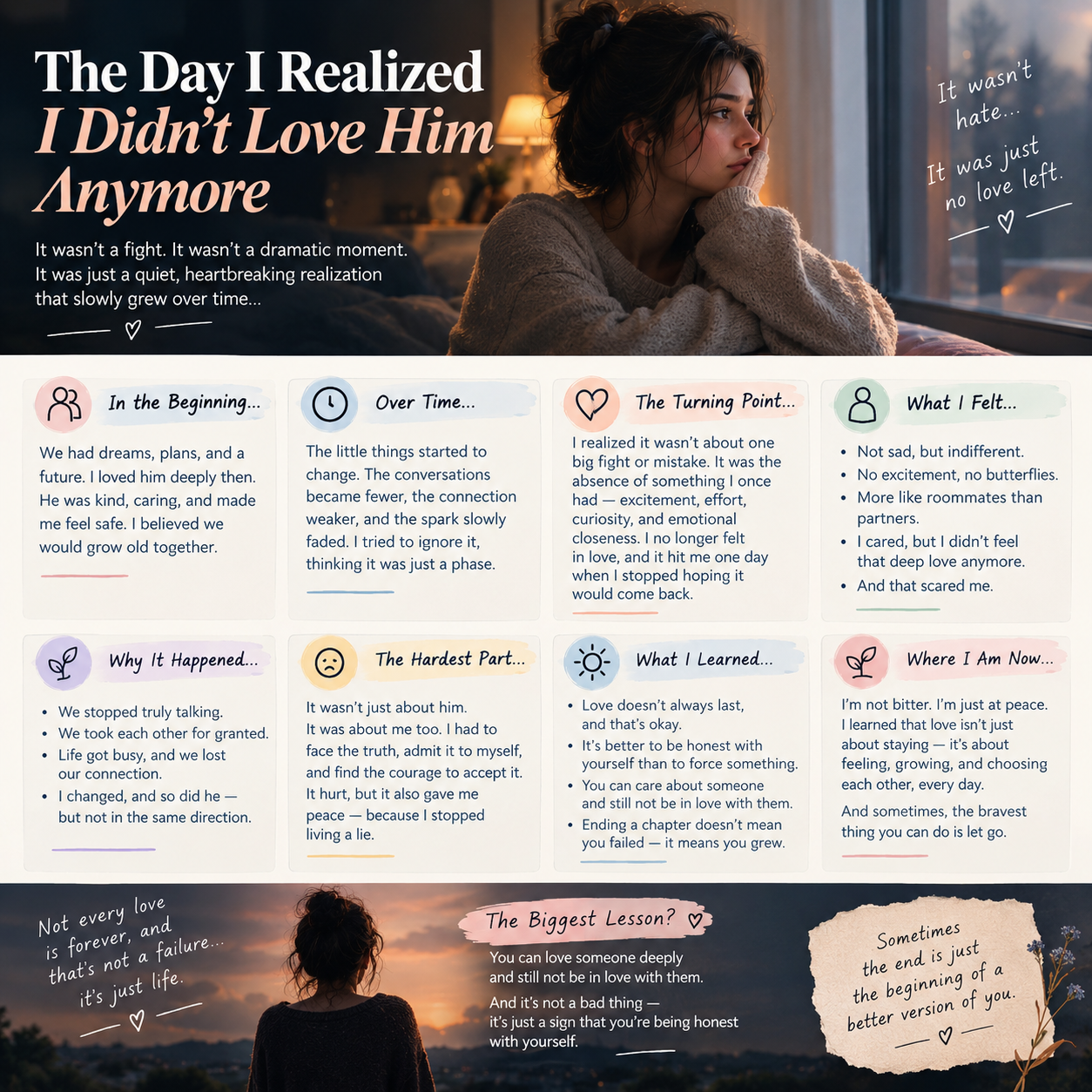
How to Start an Honest Conversation With Your Spouse
Discussing emotional distance can feel uncomfortable, particularly when both people fear being blamed or rejected. Choosing the right moment can make the conversation more constructive.
Avoid beginning a serious discussion during an argument, when either person is exhausted or when there is no opportunity to listen properly. Explain that the purpose is to understand the relationship rather than win a disagreement.
A Practical Conversation Starter
"I feel that we have become less connected lately. I miss having conversations that go beyond everyday responsibilities. I would like to understand how you have been feeling and whether there are things we could improve together."
"I know we may see some things differently, but I want us to be able to discuss them respectfully. Can we make some time to talk about what has changed?"
After starting the conversation, give the other person time to respond. Listening does not mean agreeing with everything. It means making an effort to understand the other person's perspective before deciding how to move forward.
If conversations repeatedly become hostile or unproductive, taking a break and returning to the discussion later may be more helpful than forcing an immediate resolution.
When Should Couples Consider Professional Support?
Some relationship difficulties are difficult to address without outside assistance. A qualified couples therapist or appropriately trained mental health professional may help partners understand recurring conflict patterns, communicate more effectively and explore realistic options.
Professional support may be worth considering when:
- The same arguments continue without meaningful progress.
- Partners struggle to communicate without escalating disagreements.
- Trust has been damaged by a significant experience.
- Emotional distance is affecting everyday life.
- Both people want to explore whether the relationship can improve.
The American Psychological Association explains that psychologists can help couples address recurring relationship difficulties and improve communication.
It is important to recognize that couples counselling is not appropriate in every situation. Where there is domestic violence, coercive control, threats or fear of retaliation, individual safety and specialist support should come first. A person experiencing abuse does not have an obligation to repair the relationship.
Deciding What Comes Next
Not every marriage follows the same path. Some couples discover that emotional closeness can be rebuilt through mutual effort. Others realize that their expectations, values or circumstances have changed in ways that cannot be reconciled.
A thoughtful decision should consider more than the temporary intensity of romantic feelings. Respect, emotional safety, trust, compatibility, individual well-being and willingness to make changes are all relevant.
If both partners want to continue, they can identify specific improvements and review whether those changes are actually happening. Rather than making promises without a plan, agree on practical steps and give each other room to demonstrate consistent effort.
If separation becomes the healthier option, seeking appropriate emotional, legal and practical guidance can help make the process more considered. Ending a relationship is not automatically a personal failure, just as choosing to rebuild one is not automatically the right answer for every couple.
Final Thoughts: Love Needs More Than Good Intentions
Feeling disconnected from a spouse can raise difficult questions about the past, present and future of a marriage. Those questions deserve honest attention rather than quick conclusions.
Emotional connection is influenced by everyday behavior: listening, showing appreciation, discussing difficult experiences and respecting each other's needs. These habits cannot erase every problem, but they can provide a stronger foundation for couples who genuinely want to improve their relationship.
The most important starting point is understanding what has changed and whether both people are willing and able to work toward a healthier relationship.
A lasting relationship should make room for honesty, mutual respect, emotional safety and personal growth. Those qualities matter whether a couple chooses to rebuild their marriage or move forward separately.
Research and Further Reading
The following established organizations provide additional information about communication, emotional connection and healthy relationships. They are included as further reading for visitors who want to explore the subject in greater depth.
-
American Psychological Association – Happy Couples: How to Keep Your Relationship Healthy
Guidance on communication, handling disagreements, maintaining connection and seeking professional help.
-
The Gottman Institute – Marriage and Couples Research
An overview of research into couples' communication, relationship stability and conflict patterns.
-
The Gottman Institute – Understanding the Gottman Method
Further information about friendship, emotional connection, conflict management and relationship development.
Editorial note: This article is an educational resource prepared by the MatchFusion Matrimony Editorial Team. Its examples and situations are illustrative, not verified personal testimonials or accounts of specific clients. The information is intended for general educational purposes and is not a substitute for individualized professional counselling.
Explore MatchFusion Matrimony
MatchFusion Matrimony provides information about matrimonial services and marriage opportunities across different countries and communities.
Explore our About Us page to learn about the platform, visit our Contact Us page for enquiries, or browse our USA, UK, Canada, Australia and Pakistan matrimonial pages.